



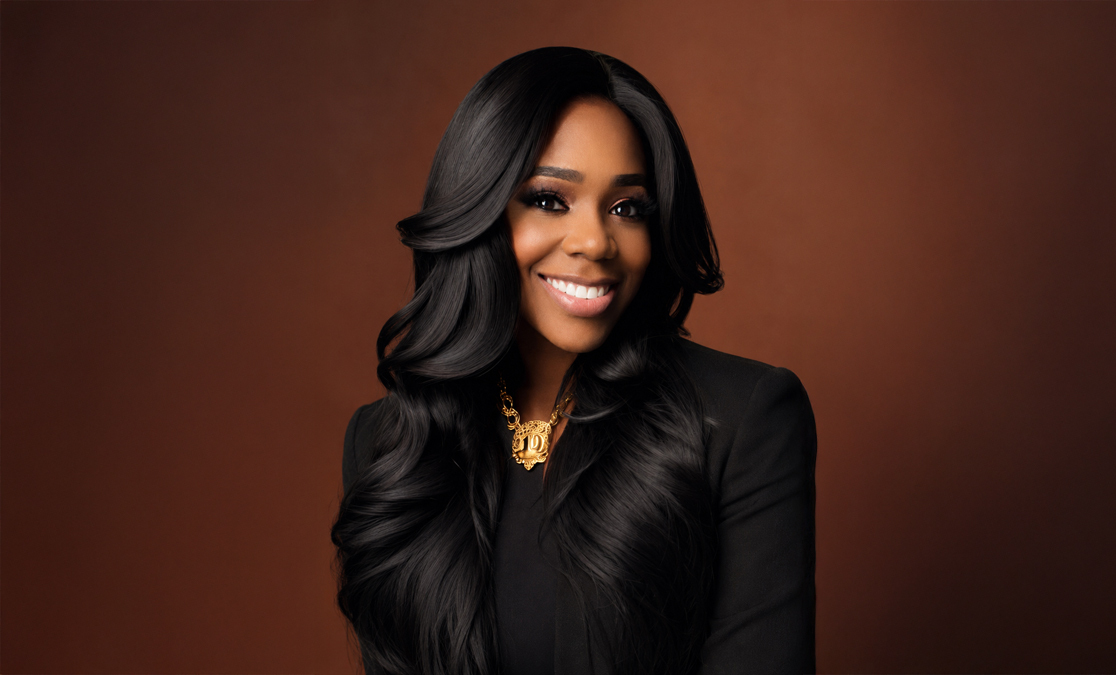
At SAE Institute of Technology Miami, students learn from instructors who bring real-world experience and industry insight into the classroom. Marsha Sealy brings a particularly unique perspective, drawing on a career that spans finance, auditing, entertainment, music-business consulting, and education. As the founder of MCS Enterprise (MCSE) and an experienced advocate for creators’ rights, Marsha has dedicated her career to helping artists and music professionals better understand the business behind their work, from contracts and publishing to royalties, metadata, and financial accountability. Her passion for empowering creators and developing the next generation of music-industry professionals is also at the heart of her work as an instructor at SAE Institute Miami. We sat down with Marsha to learn more about her journey, the lessons she brings into the classroom, and what she sees ahead for the future of the music industry.
Can you tell us a little about your background and who or what inspired you to work in the music industry?
My path into the music industry was not traditional. My professional background includes finance, accounting, auditing, international business, entertainment, and education. I also come from a Caribbean family with roots in Jamaica and Barbados, so music and culture have always been deeply connected to my identity.
My career began on the entertainment side, including working in radio and supporting artists and music professionals through Smiley Girl Entertainment. As I worked more closely with artists, writers, producers, and their teams, I noticed a recurring problem: talented people were creating valuable music without fully understanding their rights, contracts, royalties, or the systems responsible for paying them.
That realization inspired me to combine my financial and auditing expertise with my passion for music. I founded MCS Enterprise—MCSE—to help creators protect their work, identify missing income, strengthen their business structures, and understand what happens to their music after it is released. Along the way, I also became passionate about developing future music auditors who can help bring greater transparency and accountability to the industry. That intersection of music, money, rights, and accountability ultimately became my purpose.
You have built a career spanning auditing, music-business consulting, entertainment, and education. How has working behind the scenes in the business side of the music industry shaped the way you prepare students for their careers?
Working behind the scenes has shown me that talent may open the door, but knowledge, preparation, and professionalism help build a lasting career. Many creators understand how to make music but have never been taught how to protect it, register it properly, read a contract, manage metadata, track royalties, or build a professional team.
That experience shapes everything I bring into the classroom. I do not want students to learn only theories or definitions. I want them to understand how the industry actually operates. I use real-world scenarios involving publishing, contracts, royalties, distribution, budgeting, auditing, and career development to help students connect classroom concepts to professional decisions.
I also want to help develop a new generation of music auditors and business professionals who understand both the creative and financial sides of the industry. Music auditing requires attention to detail, analytical thinking, ethical judgment, and a strong understanding of rights and revenue systems. These are skills that can help students create meaningful careers while also helping artists and rights holders receive the compensation they have earned.
I also bring working industry professionals into the educational environment so students can hear directly from people doing the work. My goal is to remove some of the mystery from the music business and prepare students to ask better questions, recognize warning signs, understand their value, and make informed career decisions.
As the founder of Smiley Girl Entertainment, you have spent more than two decades supporting clients in the world-music sector. How has working with artists and organizations from diverse cultural backgrounds influenced your perspective on today’s global music industry?
Working in the world-music sector has taught me that music travels across borders much faster than information, rights, and money. A song can gain an audience in multiple countries while its creators remain disconnected from the organizations, registrations, metadata, and royalty systems needed to receive proper credit and compensation.
Through Smiley Girl Entertainment and MCSE, I have worked with artists, writers, producers, estates, and organizations from diverse cultural and professional backgrounds. That experience has shown me that cultural influence does not always translate into economic participation. Music originating in the Caribbean, Africa, Latin America, and other global communities may influence mainstream culture while the people who created it struggle to track ownership, royalties, or international usage.
It has made me a stronger advocate for accurate metadata, transparent agreements, global rights administration, culturally informed representation, and financial accountability. The music industry is global, but its business infrastructure is still fragmented. We must ensure that the creators driving global culture are also recognized, protected, and paid.
I also recognize the importance of places such as Urban Jungle, where I recently accepted the role of Chief Publishing Officer. This is a place where music, culture, community, and creative expression come together. Environments like that can play an important role in nurturing talent and preserving cultural identity. They also remind us that the business of music must remain connected to the communities and experiences that inspire the music in the first place.

Throughout your career, you have been a strong advocate for mentoring and empowering others, especially women entering the music industry. What advice would you give women looking to build lasting careers in music, whether on the creative or business side?
My advice is to learn the business with the same commitment you bring to your talent. Know your value, understand what you are signing, document your work, protect your intellectual property, and never be afraid to ask where the money is going.
Women are often expected to prove themselves repeatedly while also navigating spaces in which their expertise may be underestimated. Do not allow someone else’s limited perception to define your ability or your future. Build genuine relationships, seek mentors, develop more than one skill, and become comfortable advocating for yourself.
It is also important to create your own opportunities. If there is no seat at the table, build a table that reflects your values. A lasting career is not built only on visibility. It is built on credibility, consistency, ownership, resilience, and the courage to keep evolving.
I would also encourage women to consider the many career paths available beyond performing. Music auditing, rights administration, publishing, licensing, accounting, management, education, and consulting all offer opportunities to make a meaningful impact. The industry needs women not only as artists, but also as decision-makers, analysts, executives, educators, and advocates.
You have worked with global clients, major consulting firms, and now help shape the next generation of audio professionals at SAE Institute Miami. What excites you most about the future of the music industry?
What excites me most is that technology continues to create new ways for music to be produced, distributed, discovered, licensed, and monetized around the world. Independent creators now have access to tools and audiences that were once controlled almost entirely by major companies.
At the same time, innovation creates new responsibilities. Artificial intelligence, digital distribution, global licensing, and emerging revenue streams make ownership, consent, attribution, metadata, and transparency more important than ever. The future cannot focus only on what technology allows us to create; it must also address how creators are protected, credited, and compensated.
I am especially excited about preparing students to become more than participants in the industry. I want them to become informed creators, entrepreneurs, executives, innovators, auditors, and advocates who understand both the creative process and the business systems surrounding it. The next generation has an opportunity to build a more transparent, equitable, and accountable music industry—and I want my students prepared to help lead it.
Marsha Sealy is a powerful example of how music-industry careers extend far beyond the studio or stage. By combining her expertise in finance, auditing, entertainment, and education, she is helping students see the music business from a broader perspective and understand the importance of protecting their work, knowing their value, and making informed decisions.
To connect with Marsha, follow her on Instagram at @smileygirlent or visit her online at www.MCSenterprise.com. For more information about the Miami campus or our programs in Audio, Entertainment Business, or Digital Content Creation, visit us online at usa.sae.edu.